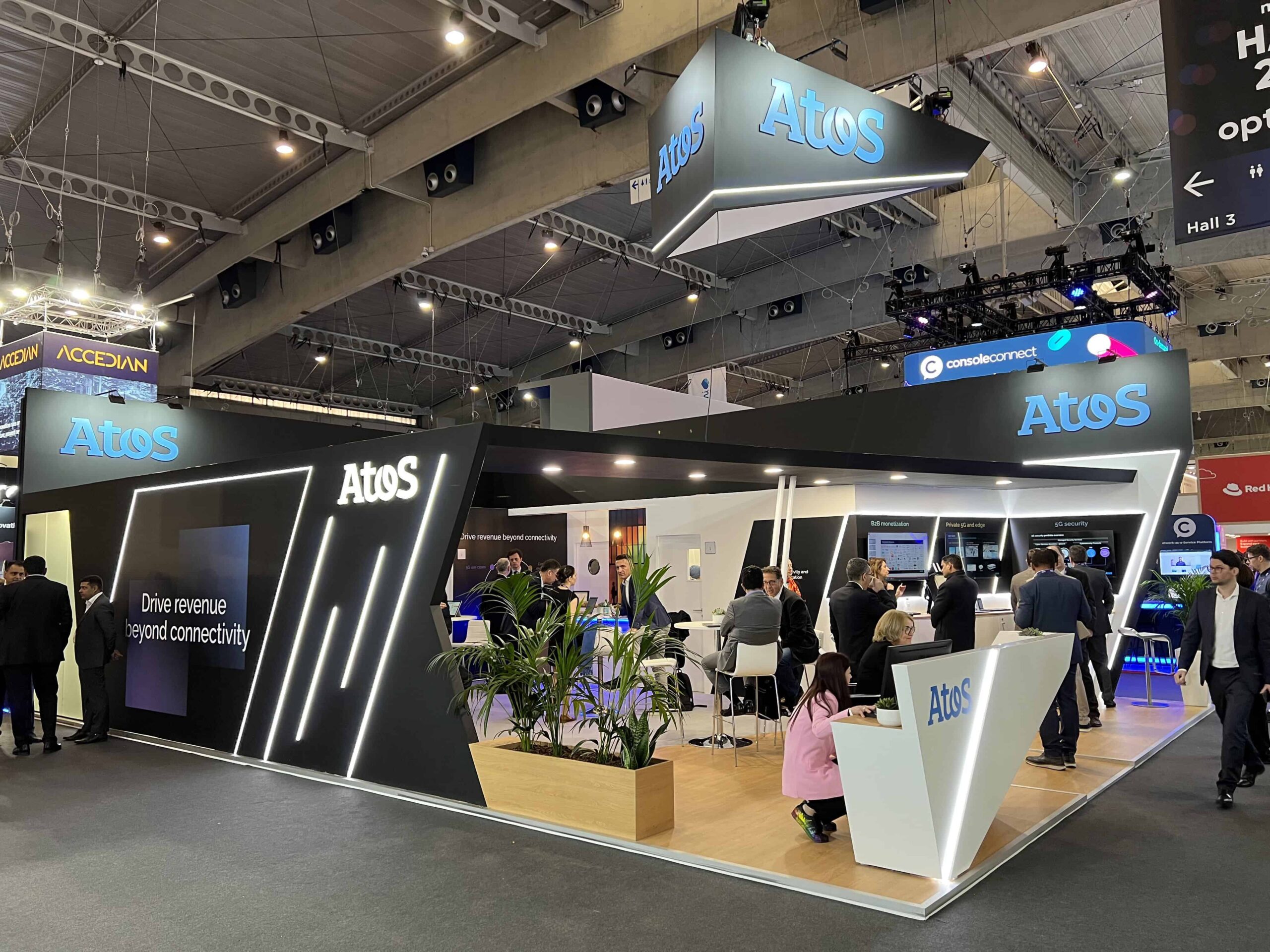
Building toward one moment instead of one day
A launch team plans backward from a single scheduled instant, whether that is a drape drop, a screen reveal, or a doors-opening moment, rather than forward through a standard show day. Every rehearsal, cue, and crew call exists to protect that one sequence, which makes a launch build closer in structure to a live broadcast than to a typical exhibit installation.
That backward planning also changes how contingencies get built in. A launch program usually needs a backup plan for the reveal mechanism itself, since a technical failure at the actual moment cannot simply be rescheduled the way a delayed booth opening can.
Keeping a covered element secret on an open floor
A draped or crated product sitting on an open show floor for days before a launch is a visible signal to competitors and press, so the covering itself, and the crew handling it, need a level of discretion that a standard booth build never requires. Draping material and structure often get engineered specifically to resist wind, curiosity, and accidental snags without revealing a silhouette underneath.
Access to the covered area during the days before a reveal is usually restricted to a small named list of crew and client staff, with credentials checked at that specific point on the floor separate from general show floor badge access.
Screens, sightlines, and the reveal sequence
The moment a drape drops or a screen changes is only as effective as the sightlines that let the audience actually see it happen, which means camera positions, screen placement, and audience seating all get planned around that single sequence rather than around general session comfort. A reveal that looks perfect on the primary camera angle but is blocked from half the room undercuts the entire investment in the moment.
Timing between the visual reveal and any supporting audio or lighting cue has to be rehearsed precisely, since even a half-second gap between a drape drop and a lighting change reads as sloppy in a room built to notice exactly that kind of detail.
Scheduling crew calls around secrecy
Because exposing a product before its scheduled reveal defeats the purpose of the entire program, launch crews often work overnight or early-morning calls specifically to avoid other exhibitors, dock workers, or early attendees seeing the covered element uncovered during setup checks. That scheduling adds labor cost compared to a standard daytime crew call, which needs to be budgeted for from the start rather than discovered once the labor invoice arrives.
Coordinating those off-hours calls with the venue and general contractor also takes more advance notice than a standard install, since dock access and security presence during overnight hours are more limited than during regular show hours.
Press and media positioning at the reveal
A product launch reveal usually reserves its best sightlines for press and media rather than the general attendee audience, since a strong photo or video capture of the reveal moment often reaches far more people after the event than anyone standing in the room during it. That prioritization affects where risers, camera platforms, and roped-off press areas sit relative to the reveal element itself.
Embargo timing tied to the physical reveal has to be coordinated with the press area's own access, since a media outlet positioned to see the reveal early, even accidentally, can undercut an embargo the entire program was built to protect.
Credentialed media access for a launch on a Convention Center or resort ballroom floor typically routes through the show or property's own press office rather than the exhibitor directly, which means a launch team should confirm press check-in procedures well ahead of the reveal date rather than assuming media badges work the same way exhibitor badges do.