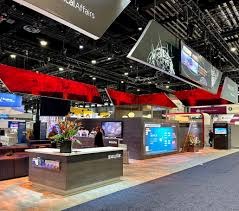
Reading the exhibitor kit before the floor plan
The exhibitor service kit lays out drayage rates, target move-in windows, electrical and rigging order forms, and often booth construction rules like maximum height and hanging sign requirements, all before a single crate arrives. Reading that kit closely before finalizing a booth design avoids the common problem of designing a structure that turns out to violate a height limit or a sightline rule specific to that hall.
Because the kit is published by the general contractor for that specific show rather than the venue itself, its rules can differ meaningfully from one show to another even inside the same hall, which is why an exhibitor working multiple Convention Center shows a year cannot assume last year's kit still applies.
Target dates, straight time, and overtime
Every exhibitor kit publishes a target date range for move-in, and material handling ordered or delivered within that window bills at straight time. Freight that arrives late, or a booth build that runs past the target window into evening hours, typically triggers overtime labor rates that can add a meaningful percentage to the total drayage bill.
During a heavy-show week, target date windows compress across the entire hall since multiple shows or move-ins can be competing for the same dock capacity, which makes hitting the target date even more valuable than it would be during a lighter week on the calendar.
Filing the EAC paperwork correctly the first time
An exhibitor-appointed contractor, or EAC, is any outside labor company brought in to install or dismantle a booth instead of using the show's official labor. Filing that paperwork means submitting proof of insurance and credentials to the general contractor by the deadline printed in the kit, and a late or incomplete filing can mean the crew is turned away at the dock regardless of how much work is scheduled that day.
EAC rules also typically restrict what kind of work outside labor can perform without direct supervision from the general contractor's own crew, particularly anything involving rigging or work above a certain height, so confirming those boundaries before move-in avoids a stalled install.
Ordering electrical, rigging, and cleaning as separate lines
Electrical, rigging, cleaning, and material handling are almost always separate order forms with separate deadlines inside the exhibitor kit, even though they all support the same booth build. Ordering electrical late, for example, does not only risk a higher rate, it can mean power is not available at the booth by the time the rest of the build is finished.
Bundling those orders and confirming they line up with the actual booth design, rather than ordering generic quantities early and adjusting later, tends to produce a cleaner install with fewer surprises once the crew is on site and the clock is running.
Rate card review before committing to a booth size
The exhibitor kit's rate card covers more than drayage. It typically lists per-square-foot charges for aisle carpet, standard furniture packages, and cleaning service, and those line items scale directly with booth size, which means a larger footprint carries cost implications well beyond the raw square footage price. Reviewing the full rate card before finalizing a booth size avoids a budget surprise once all the service orders come in.
Comparing rate cards across different Las Vegas venues, such as the Convention Center against Mandalay Bay Convention Center, also shows real variation in drayage and labor rates, which is worth factoring into venue selection for an exhibitor with a choice of where to show.
A second look at the rate card after the booth design is finalized, rather than only before, catches the cases where a design change quietly added a service line, like extra rigging points or additional cleaning frequency, that the original budget never accounted for.