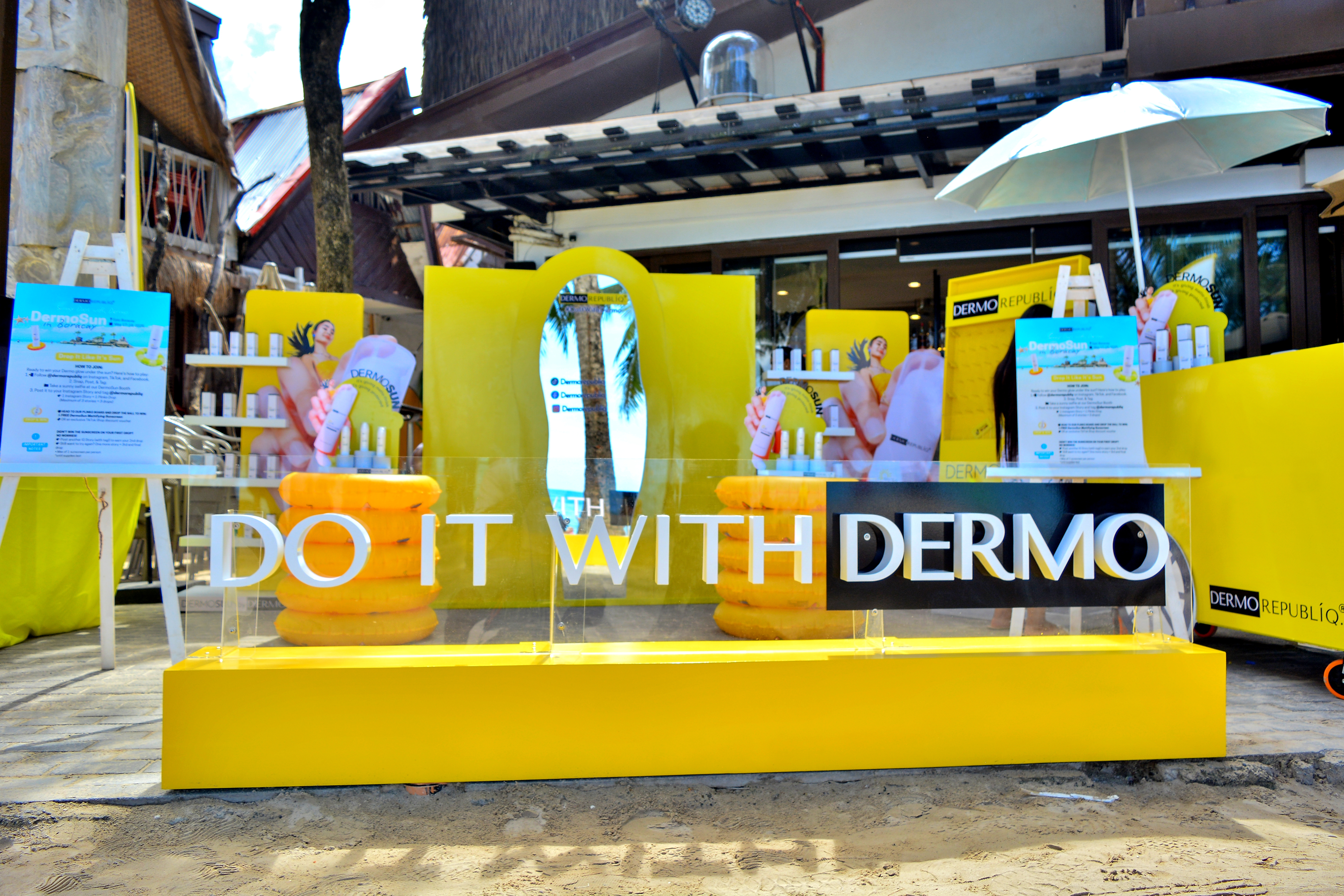
A sponsor footprint inside someone else's show
A sponsorship activation answers to two sets of rules at once: the general contractor's show floor requirements that apply to everyone in the hall, and whatever specific terms the sponsorship agreement itself lays out. Those two layers do not always align cleanly, which is why a sponsor activation's build timeline usually needs its own point of contact with both the show's general contractor and the sponsorship sales team.
Because the sponsor did not design the overall show floor, its footprint is often placed in a location chosen for visibility to the convention's general traffic pattern rather than for the sponsor's own ideal layout, which shapes what kind of structure actually makes sense there.
Exclusivity zones and where a structure can sit
A sponsorship contract frequently includes a signage or category exclusivity clause, meaning a competing company in the same product category cannot have comparable visibility within a defined radius or zone of the sponsor's placement. That zone is negotiated as part of the sponsorship deal, not adjusted on site, so the sponsor's structure design has to work within a footprint and set of sightlines that were locked in long before load-in.
Violations of an exclusivity zone, even accidental ones caused by another exhibitor's signage encroaching on the boundary, typically get resolved through the show's organizer rather than directly between the two parties, since the exclusivity terms live in the sponsorship contract the organizer holds.
Separate drayage account, same loading dock
A sponsor's freight moves through the same physical dock and marshaling yard as the rest of the convention's exhibitors, but it typically runs on its own drayage account tied to the sponsorship agreement rather than being folded into the general show services budget. Keeping that account separate matters for reconciling costs after the show, since sponsor-specific freight and labor charges need to be tracked against the sponsorship deal, not the general exhibit floor.
Coordinating dock timing for a sponsor build against the broader exhibitor move-in schedule still matters, since a sponsor's larger branded structure can compete for the same crane or forklift resources as a large exhibitor booth during peak move-in hours.
Branding a lounge without the exhibitor's floor budget
A sponsor lounge or branded touchpoint usually has to communicate brand presence at a glance, since attendees passing through are engaging with the convention's content, not shopping the sponsor's booth the way they might a trade show exhibitor. That changes the design priority toward strong environmental branding, comfortable seating, and simple wayfinding rather than a sales-focused booth layout.
Because a sponsor's investment is tied to overall brand visibility across the convention rather than direct booth traffic, signage placement leading up to the lounge, in addition to the lounge itself, often gets as much design attention as the physical structure.
Reporting deliverables back to the sponsor
A sponsor typically expects a reporting package after the event covering foot traffic, engagement metrics, and photo documentation of the footprint, which means data collection has to be built into the activation's operation rather than assembled after the fact from memory. That reporting is often the sponsor's main evidence for renewing the deal the following year.
Coordinating who owns that reporting, the show's organizer or the sponsor's own team, needs to be settled early, since a sponsor arriving to build its lounge on load-in day is the wrong time to discover no one has assigned a person to track engagement numbers.
Photo and video documentation should be scheduled at set intervals through the day rather than only at the peak traffic moment, since a sponsor's internal stakeholders often want to see the footprint during quieter periods too when evaluating whether the investment matched the experience delivered.