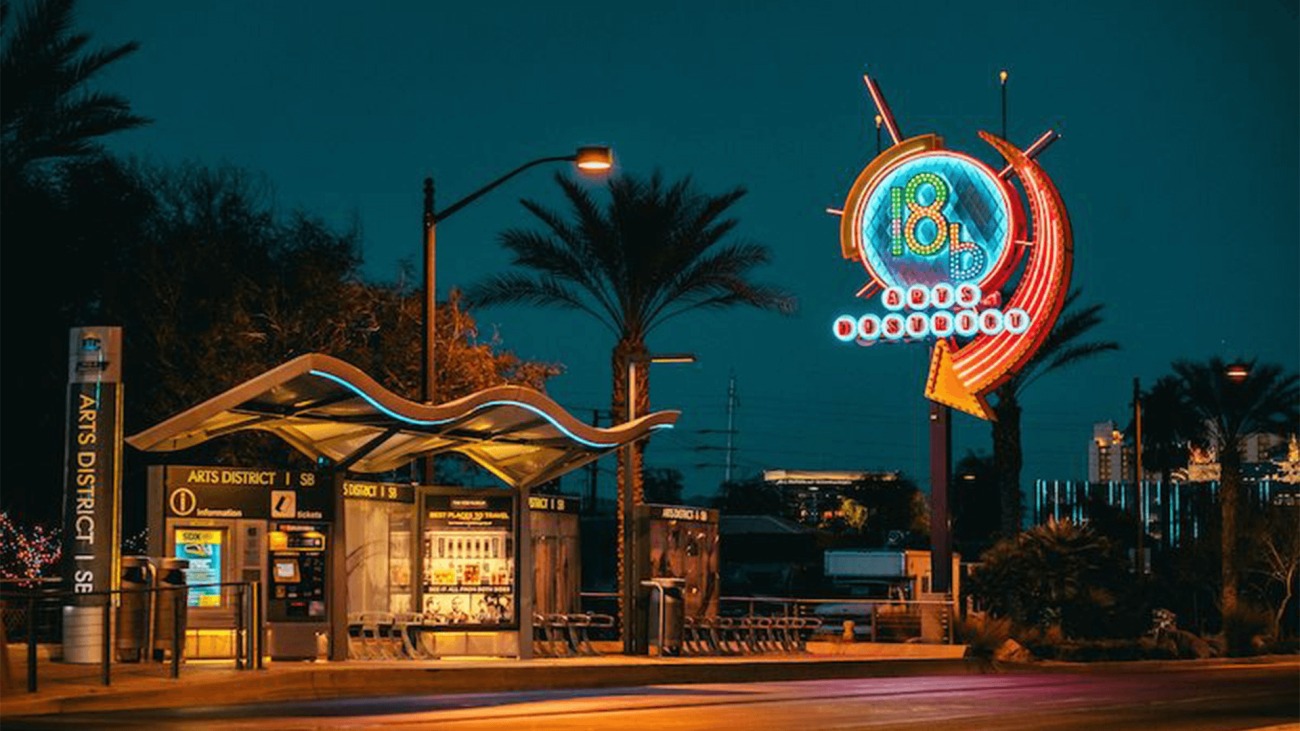
Core Coordination Priorities for Arts District Exhibit Planning
Positioning Within the Las Vegas Convention Ecosystem
Las Vegas maintains its position as a leading destination for trade shows and conventions through a network of high-capacity venues that collectively drive business activity throughout the year. The Las Vegas Convention Center serves as a central hub with extensive exhibit space and advanced infrastructure, while the Venetian Expo offers additional scale for large-format events. These facilities, along with the Mandalay Bay Convention Center and Caesars Forum, create consistent demand that influences planning for nearby and complementary locations including the Arts District.
Effective coordination requires mapping event calendars across these primary sites to identify opportunities for extended engagement. The Arts District functions as a secondary but notable element in the overall footprint, allowing planners to develop strategies that connect main convention activities with targeted sessions or receptions in creative environments. This layered approach helps maximize visibility while maintaining operational efficiency.
Planning resources focus on helping exhibitors understand the relationships between these venues to create unified presence plans. By referencing established market data from sources such as vegasmeansbusiness.com, coordinators can align exhibit deployment with periods of peak activity across the Las Vegas region.
Custom Exhibit Design Coordination for Creative Settings
Exhibit design coordination for environments emphasizing creativity requires attention to elements that resonate with innovative surroundings while clearly conveying brand objectives. Planning begins with assessment of event parameters including expected attendance patterns, session formats, and overall program flow to ensure the exhibit structure supports rather than competes with the setting.
Modular and adaptable systems receive emphasis in coordination plans because they enable efficient transitions between the larger scale of primary convention halls and more focused activations suitable for district-level events. Material choices, graphic integration, and spatial planning all factor into designs that maintain consistency across the Las Vegas market while allowing for location-specific refinements.
The coordination process incorporates review of how design elements will function under varying lighting conditions and traffic patterns typical of mixed-use event schedules. This methodical approach helps ensure that custom exhibits deliver measurable impact without introducing unverified assumptions about on-site capabilities.
Successful planning also considers storage and reconfiguration needs between events at different venues, creating contingency approaches that support the full event cycle from initial setup through multiple activations.
Scheduling and Timeline Coordination Across Venues
The Las Vegas event calendar features overlapping schedules at major facilities including the Las Vegas Convention Center, Venetian Expo, and additional sites such as Virgin Hotels Las Vegas and Green Valley Ranch Resort & Spa. Coordination for Arts District involvement requires precise timeline mapping to avoid conflicts and capitalize on attendee movement between primary conventions and secondary locations.
Planning resources provide frameworks for building comprehensive calendars that account for lead times on design approval, production milestones, and transportation sequencing. This structured method helps exhibitors maintain alignment with broader market activity while addressing the specific pacing of events connected to the Arts District.
Attention to shoulder periods before and after major conventions allows for strategic positioning that extends the value of participation. By coordinating these elements, businesses can develop presence plans that distribute resources effectively across the recommended Las Vegas location portfolio.
Logistics Planning for Multi-District Event Execution
Coordinating logistics for events spanning the convention corridor and districts such as the Arts District involves systematic evaluation of movement patterns, timing requirements, and resource distribution. Planning emphasizes creation of detailed flow diagrams that account for attendee travel between primary venues and secondary areas without introducing speculative operational claims.
Effective frameworks address equipment sequencing, material handling considerations, and contingency planning for the varied infrastructure found across Las Vegas locations. This includes attention to how exhibit components can be efficiently deployed from larger convention setups to more agile configurations appropriate for district events.
The coordination process incorporates review of overall market infrastructure to support smooth transitions throughout the duration of campaigns. Resources focus on helping clients build robust plans based on known venue characteristics and established transportation corridors in the region.
Technology Integration in Exhibit Coordination
Modern trade show exhibits benefit from strategic technology integration that enhances engagement while remaining compatible with diverse venue requirements across Las Vegas. Planning coordination evaluates available power, connectivity, and spatial constraints at both primary convention centers and complementary districts to ensure smooth implementation.
Interactive elements, digital displays, and data collection tools require careful scheduling and technical specification development during the planning phase. This ensures alignment with event objectives and technical capabilities documented for facilities including the Las Vegas Convention Center, Fontainebleau Las Vegas, and related sites.
The process includes development of fallback protocols and staff briefing structures that maintain program integrity regardless of location specifics. Through this methodical approach, exhibitors achieve technology-enhanced experiences that support overall event goals within the Arts District and greater market.
Ongoing assessment of emerging tools allows planning resources to incorporate forward-compatible recommendations that extend the useful life of coordinated exhibit investments.
Budget Development and Resource Optimization
Developing budgets for Las Vegas trade show participation that includes Arts District components requires granular breakdown of costs across design, coordination, transportation, and activation phases. Planning resources emphasize creation of scenario models based on known venue requirements from primary drivers such as the Venetian Expo, Westgate Las Vegas, and additional listed facilities.
Optimization strategies focus on identifying efficiencies through modular components, shared elements across multiple events, and strategic timing that reduces peak-period expenses. This data-driven method helps allocate resources effectively across the portfolio of recommended locations including the Arts District, Enterprise, Summerlin, and Henderson areas.
Comprehensive tracking templates allow for real-time adjustment as event details evolve, ensuring adherence to financial parameters while maintaining quality standards. The coordination framework prioritizes transparency in cost projections drawn from established market patterns.
Performance Measurement and Continuous Improvement
Establishing metrics for events connected to the Arts District and primary Las Vegas convention venues enables objective evaluation of exhibit effectiveness. Planning coordination includes development of data collection protocols that capture lead quality, engagement levels, and conversion indicators across different locations and event types.
Post-event analysis frameworks help identify which coordination elements delivered strongest results, informing refinements for subsequent cycles. This iterative process draws on information from major demand centers like Mandalay Bay Convention Center, Caesars Forum, and supporting locations to build increasingly sophisticated presence strategies.
Long-term planning incorporates trend analysis from the Las Vegas market to anticipate shifts in attendee preferences and venue offerings. Resources support creation of multi-year roadmaps that position exhibitors advantageously across the full range of recommended locations.
Planning Questions for Arts District Las Vegas Events
Q: How does planning for the Arts District integrate with major Las Vegas conventions?
Coordination involves aligning timelines with primary venues including the Las Vegas Convention Center, Venetian Expo, and Mandalay Bay Convention Center. This creates unified strategies that extend event impact across both primary convention corridors and complementary districts like the Arts District.
Q: What design considerations apply when coordinating exhibits for the Arts District?
Planning emphasizes adaptable, creative-aligned structures that maintain brand consistency across different Las Vegas locations. Modular approaches allow efficient transitions between large-scale convention halls and more focused district environments.
Q: Which major venues drive demand that affects Arts District planning?
Key facilities include the Las Vegas Convention Center, the Venetian Expo, Mandalay Bay Convention Center, Caesars Forum Conference Center, Fontainebleau Las Vegas, and supporting sites such as Virgin Hotels Las Vegas and Green Valley Ranch Resort & Spa.
Q: How should budgets be developed for multi-location Las Vegas events?
Resource planning uses scenario modeling based on known requirements from primary demand drivers. This approach optimizes allocation across design, logistics coordination, and activation while accounting for participation in both central convention areas and secondary districts.
Q: What role does technology play in coordinated exhibit plans?
Technology integration is evaluated against documented venue capabilities across the Las Vegas market. Planning ensures compatibility, develops contingency measures, and aligns digital components with engagement objectives for both major conventions and district activities.
Q: How can exhibitors measure results from Arts District connected events?
Performance frameworks track metrics across multiple venues and locations. Analysis compares outcomes from primary convention centers with district activities to refine future coordination strategies based on established market patterns.