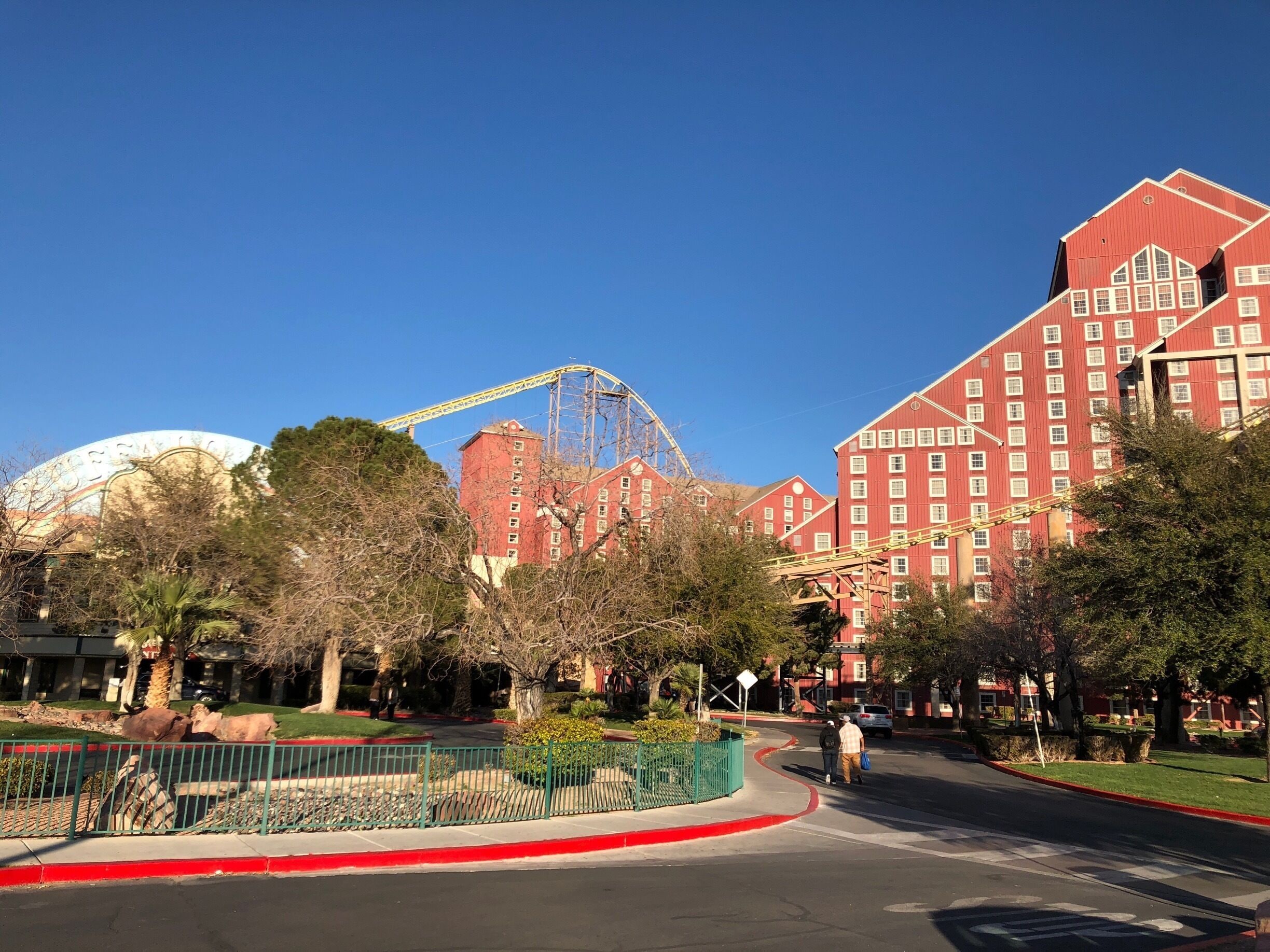
Core Planning Elements for Jean NV in the Las Vegas Ecosystem
Jean NV Within the Extended Las Vegas Service Area
Jean functions as one of several adjacent satellite towns that expand the operational reach of the Las Vegas trade show market. The overall footprint builds around the central Strip and convention corridor while incorporating areas such as Henderson, Summerlin, and secondary locations including Jean. This structure supports planning that accounts for varied access points and the distinct characteristics each contributes to event participation.
As a secondary priority location, Jean encourages emphasis on the broader geographic context rather than isolated operations. Coordination resources highlight how satellite positioning influences considerations for transportation networks, event sequencing, and exhibit requirements when targeting shows distributed across recommended districts like the Convention Center District, Arts District, and Strip segments from south to north.
Nuance emerges in recognizing that southern satellite communities present different planning implications compared to western Summerlin or eastern Henderson areas. Operational details must address these variations to create cohesive strategies that optimize presence at high-demand venues while respecting the unique attributes of each submarket in the Las Vegas ecosystem.
Primary Venues Driving Convention Activity
Demand across the Las Vegas market originates from an established roster of significant venues that host diverse trade shows and conferences. The Las Vegas Convention Center serves as a foundational hub, while the Venetian Expo provides integrated resort-adjacent space that supports specialized programming. Mandalay Bay Convention Center Resort and Casino extends options further along the southern corridor, creating multiple focal points for exhibitor planning.
Additional facilities such as Caesars Forum Conference Center and Fontainebleau Las Vegas introduce distinct environments that require tailored coordination approaches. Westgate Las Vegas Resort & Casino, Alexis Park All Suite Resort, and Virgin Hotels Las Vegas further diversify the landscape with their individual operational parameters. Green Valley Ranch Resort & Spa and Hilton Lake Las Vegas Resort & Spa extend reach into the Henderson corridor, illustrating the market's capacity to accommodate events across varied districts.
From a Jean NV vantage, planning involves mapping these venues against the full set of location targets to identify synergies and differentiation opportunities. This process prioritizes venue specificity, ensuring that exhibit coordination reflects the unique scale, audience profiles, and technical requirements associated with each facility rather than applying uniform approaches across the region.
District-Level Differentiation and Operational Nuances
The Las Vegas trade show landscape features clear district distinctions that influence every aspect of exhibit planning. Central areas such as the Convention Center District and various Strip segments (South, Central, North) contrast with western Summerlin Meeting District, eastern corridors toward Sunrise Manor, and southern satellite communities including Jean. Each district carries operational details related to event density, audience flow, and logistical considerations that demand specific attention.
Jean NV, grouped with nearby targets like Primm and Enterprise, supports planning that highlights southern entry dynamics into the larger market. This differs from northern Centennial Hills or inspirational developments in Anthem and Inspirada, requiring coordination frameworks that adapt to these positional nuances. Such differentiation ensures that custom stands and program elements align effectively with the venue clusters they target.
Operational detail extends to understanding how events at the Las Vegas Convention Center might interface with programming at the Venetian Expo or Fontainebleau Las Vegas. Planning resources stress the value of mapping these relationships in advance, creating integrated timelines that account for district-specific variables while maintaining strategic coherence across the entire service area.
By focusing on these nuances, exhibitors develop more precise approaches that enhance impact without relying on generalized One Size Fits All approaches. The emphasis remains on authoritative coordination that respects the individual character of Jean within the broader Las Vegas convention ecosystem.
Custom Exhibit Coordination Strategies
Effective custom exhibit coordination in the Las Vegas market begins with clear definition of objectives tailored to specific events and venues. Strategies must incorporate the scale differences between expansive convention centers and more focused resort-based facilities, ensuring that design elements support both functionality and brand objectives across varied settings.
Planning from secondary locations like Jean encourages development of adaptable frameworks that respond to the full range of recommended locations. This includes attention to how exhibits might transition between a major show at Mandalay Bay Convention Center and a complementary event at Caesars Forum or Westgate Las Vegas, maintaining consistency while allowing for venue-specific modifications.
Operational details such as material flow, presentation sequencing, and engagement tactics receive priority in coordination planning. These elements help translate conceptual designs into practical implementations that perform effectively within the unique environments offered by Las Vegas venues, from the high-traffic convention corridor to satellite community access points.
Timeline and Logistics Frameworks
Timeline management forms a cornerstone of successful trade show coordination in the Las Vegas market, particularly when incorporating satellite locations such as Jean. Comprehensive schedules must align preparation phases with the specific load-in, operational, and dismantle windows associated with each venue, from the Las Vegas Convention Center to properties like Virgin Hotels Las Vegas and Green Valley Ranch Resort & Spa.
Logistics planning emphasizes the geographic distribution of venues across districts including Paradise, Winchester, and Henderson. For Jean-based coordination, this involves constructing sequences that respect travel patterns along primary corridors while building appropriate buffers for the complexities of multi-event calendars. The approach avoids assumptions about local capabilities, focusing instead on strategic sequencing and dependency mapping.
Nuanced operational planning also addresses how post-event activities at one venue might influence preparation for the next, especially when events cluster in the convention corridor or spread toward Summerlin and Lake Las Vegas. This level of detail supports more reliable outcomes and helps exhibitors maximize their investment across the full market footprint.
Strategic Program Development Across the Market
Developing a cohesive trade show program for the Las Vegas market requires integrating participation across multiple venues and districts while maintaining focus on overarching business goals. From Jean NV, this involves identifying which combination of events at the Las Vegas Convention Center, the Venetian Expo, Mandalay Bay, and supporting resorts will deliver the strongest alignment with target audiences and objectives.
Authoritative planning stresses the importance of venue specificity when crafting narratives, selecting metrics, and designing interactive elements. What performs optimally in the Convention Center District may require adaptation for the Summerlin Meeting District or Henderson properties, creating opportunities for refined differentiation that enhances overall program effectiveness.
The process incorporates ongoing assessment of how satellite town positioning influences strategic choices, ensuring that coordination remains responsive to the full spectrum of location targets. This comprehensive approach positions exhibitors to navigate the Las Vegas market with greater precision, leveraging its diverse opportunities while addressing the operational details unique to each area.
Advancing Coordination Practices for Future Events
As the Las Vegas convention market continues to evolve, coordination practices must incorporate emerging nuances related to venue configurations, district development, and event programming. Jean NV remains part of the secondary location network that supports this evolution, providing an additional lens through which to view market dynamics and plan accordingly.
Future-focused planning emphasizes sustained attention to operational details, such as how new activations at Fontainebleau Las Vegas or expanded programming at existing hubs might shift geographic considerations across the service area. This includes maintaining awareness of relationships between central corridors and satellite communities to refine timelines and resource allocation.
By prioritizing authoritative, fact-based coordination over speculative approaches, exhibitors can build resilient programs that adapt to the market's wide footprint. The guidance for Jean and similar locations reinforces the value of district-level insight, venue-specific knowledge, and meticulous operational planning as essential components for long-term success in Las Vegas trade shows.
Frequently Asked Questions on Jean NV Planning
Q: How does Jean NV connect to the broader Las Vegas trade show market?
Jean serves as a secondary satellite town within the Las Vegas service-area footprint that builds around the Strip, convention corridor, Henderson, Summerlin, and adjacent communities, supporting coordinated planning for events at major venues.
Q: Which venues drive primary demand in the Las Vegas convention market?
Key demand drivers include the Las Vegas Convention Center, the Venetian Expo, Mandalay Bay Convention Center Resort and Casino, Caesars Forum Conference Center, Fontainebleau Las Vegas, Westgate Las Vegas Resort & Casino, Alexis Park All Suite Resort, Virgin Hotels Las Vegas, Green Valley Ranch Resort & Spa, and Hilton Lake Las Vegas Resort & Spa.
Q: What planning considerations apply to satellite locations like Jean?
Coordination from Jean emphasizes district-level differentiation, venue specificity, geographic distribution across recommended locations, and operational alignment with the full Las Vegas market without claims of localized execution.
Q: Why focus on district-level nuances in Las Vegas exhibit planning?
Districts such as the Convention Center District, various Strip segments, Summerlin, Henderson, and satellite towns like Jean each present unique operational details, audience characteristics, and venue requirements that benefit from tailored coordination strategies.
Q: How should timelines be managed for Las Vegas events from secondary locations?
Timelines incorporate venue-specific schedules, cross-district dependencies, and buffers that account for the market's wide footprint, ensuring alignment with primary facilities and supporting properties across the region.
Q: What role does authoritative coordination play for Jean NV exhibitors?
It provides fact-based guidance on strategic alignment, exhibit adaptability, and operational details drawn from the established Las Vegas market structure, focusing exclusively on planning resources for successful event participation.