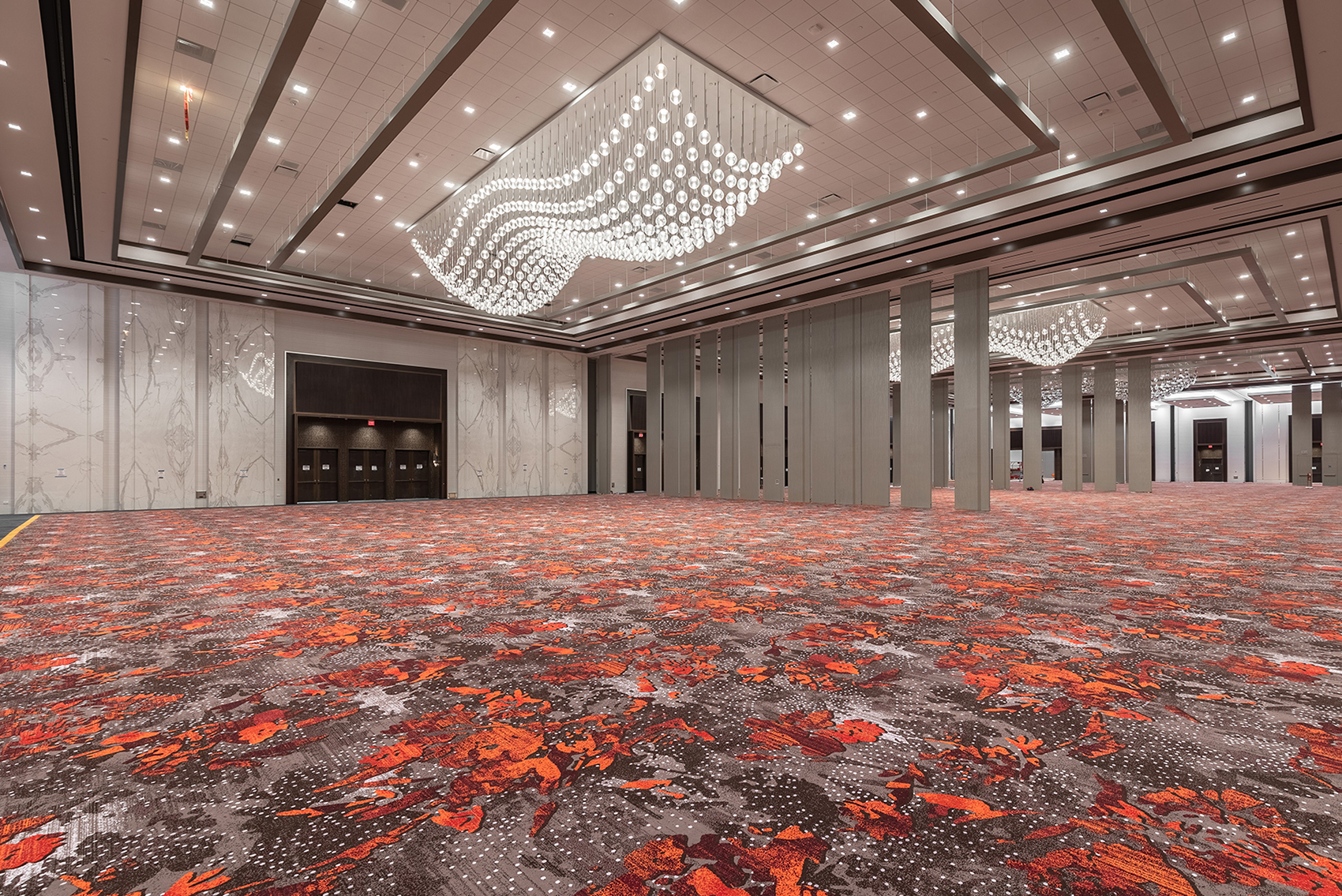
Core Planning Considerations for Caesars Forum
Understanding Caesars Forum Conference Center in the Las Vegas Convention Landscape
Las Vegas sustains its position as a premier destination for conventions through a network of facilities that accommodate diverse scales and formats. Caesars Forum Conference Center contributes to this network by providing contemporary spaces suited for both focused sessions and larger exhibition components. Planning begins with recognizing how this venue operates within the wider market, where events frequently leverage the city's established appeal to draw national and international audiences. Coordination efforts benefit from viewing the center as part of an interconnected system rather than an isolated site.
The surrounding infrastructure supports efficient movement of attendees and materials, a factor that influences overall event success rates across the region. When developing an exhibition strategy, emphasis falls on synchronizing with these broader patterns to avoid conflicts and capitalize on natural attendance flows. Resources dedicated to planning stress the value of mapping these relationships early, ensuring that exhibit decisions complement rather than compete with the venue's inherent characteristics.
This approach avoids improvisation by grounding recommendations in observable market behaviors and documented demand trends from comparable Las Vegas facilities. The result is a more resilient plan capable of adjusting to the specific demands of events hosted at Caesars Forum while maintaining focus on strategic outcomes.
District Differentiation and Operational Details in the Convention Center District
The Convention Center District distinguishes itself through concentrated access to multiple large-scale facilities, creating opportunities for events that benefit from shared attendee pools and logistical synergies. Caesars Forum Conference Center fits within this cluster by offering an environment oriented toward professional exchanges, differing from the entertainment-focused nuances of Strip Central or the resort-centric attributes of Strip South. Operational planning must account for these variations, particularly in areas such as peak traffic periods and adjacency to supporting amenities.
District-level analysis reveals how proximity to major arteries and transit options shapes material handling expectations and attendee arrival profiles. For Caesars Forum, this translates to coordination plans that prioritize streamlined entry points and clear internal navigation paths. Such details, while requiring confirmation with event-specific guidelines, follow consistent principles observed across Southern Nevada venues where high-volume events are common.
By differentiating at this granular level, planners can tailor elements like signage placement and demonstration scheduling to match the district's tempo. This method supports more precise resource allocation and reduces the likelihood of bottlenecks, contributing to smoother overall execution when exhibiting at the center.
Developing Custom Exhibit Concepts Suitable for Conference Environments
Exhibition designs for venues like Caesars Forum Conference Center succeed when they balance informational depth with interactive appeal, reflecting the professional context of most events held there. Concepts should incorporate flexibility to accommodate varying space allocations while maintaining brand consistency across multiple shows. Planning involves iterative reviews of layout options that facilitate conversation zones without disrupting adjacent areas.
In the competitive Las Vegas market, visual and functional elements must be calibrated to stand out amid high standards set by neighboring properties. This includes strategic use of lighting, modular components, and graphic narratives that communicate value propositions efficiently within shorter interaction windows typical of conference schedules. Coordination at the planning stage ensures these features align with expected audience behaviors derived from industry event patterns.
Material choices and construction standards receive particular attention to support durability through extended display periods. The process prioritizes designs that scale effectively, allowing refinement based on prior participation data from similar district venues. This methodical development cycle yields exhibits that deliver consistent performance without exceeding operational parameters.
Emphasis remains on creating environments that encourage targeted engagement, turning each square foot into an opportunity for meaningful connections that extend beyond the event itself.
Aligning Exhibition Plans with Las Vegas Market Demand Drivers
Las Vegas experiences distinct peaks in convention activity driven by established industry calendars that frequently include stops at facilities such as Caesars Forum Conference Center. Successful coordination requires mapping these cycles to identify optimal participation windows where target audiences converge. This alignment informs not only scheduling but also content customization to match the thematic focus of specific gatherings.
Demand signals from sectors including technology, hospitality, and professional services shape the attendee profiles at events in the Convention Center District. Planning resources help translate these signals into actionable strategies, such as adjusting demonstration formats or collateral to address prevailing priorities within the market. By doing so, exhibitors position themselves to generate higher quality interactions.
Longer-term observation of these drivers supports predictive planning, enabling proactive adjustments ahead of announcement cycles. The approach treats each event as data for refining future efforts, building a cumulative advantage in a city where competition for visibility remains constant across all clusters.
Technical and Logistical Coordination for Venue-Specific Requirements
While direct implementation follows venue-approved protocols, advance coordination of technical elements significantly impacts outcomes at Caesars Forum Conference Center. This includes preparing specifications for power needs, connectivity, and structural considerations that integrate with the facility's infrastructure. Detailed documentation prepared ahead of deadlines facilitates smoother reviews and approvals.
Logistical frameworks address sequencing of activities from initial concept through post-event analysis, accounting for the high throughput characteristic of Las Vegas conventions. Attention to these sequences helps maintain momentum across all phases, particularly when events overlap with activity in adjacent district locations. The planning emphasizes contingency development to handle variables inherent in large-scale gatherings.
Technology integration receives focus as a means to differentiate exhibits, with options ranging from basic digital displays to more immersive solutions that match modern expectations. Coordination ensures these elements are vetted for compatibility, preserving reliability throughout the event duration.
Comparative Venue Analysis Across Las Vegas Options
Caesars Forum Conference Center operates alongside other notable Las Vegas sites including the Las Vegas Convention Center, the Venetian Expo, and various resort-based options like Fontainebleau Las Vegas or Virgin Hotels Las Vegas. Each presents distinct attributes in scale, ambiance, and audience draw that warrant comparative evaluation during planning. For instance, the focused business orientation of the Convention Center District contrasts with the integrated resort experiences available at properties further along the Strip.
This analysis informs decisions about which environment best matches exhibition goals, whether seeking maximum volume through central locations or more curated interactions in specialized settings. Operational details such as access logistics and support services further differentiate the choices, guiding resource distribution for optimal results.
By maintaining a broad perspective across these venues, planners develop adaptable strategies that can shift according to availability and relevance. The process strengthens overall market positioning in Las Vegas by identifying complementary participation opportunities rather than isolated appearances.
Building Sustainable Long-Term Exhibition Strategies in Las Vegas
Sustained success at Caesars Forum and similar venues stems from treating individual events as components of a multi-year trajectory. This involves systematic tracking of outcomes to inform subsequent designs, messaging, and participation choices. Over time, such refinement creates compounding advantages in a market characterized by frequent high-profile gatherings.
Strategies incorporate ongoing monitoring of shifts in attendee preferences and technological advancements, ensuring exhibits evolve in parallel with the Convention Center District's development. Coordination extends to cross-referencing experiences from other listed venues like Westgate Las Vegas Resort and Casino or Green Valley Ranch Resort and Spa to extract transferable insights.
The planning framework encourages integration of efficiency measures, including reusable elements that reduce cumulative costs while maintaining impact. This forward orientation positions participants to navigate the competitive Las Vegas environment with greater confidence and precision.
Ultimately, the emphasis rests on creating a coherent narrative across events that reinforces brand objectives and builds recognition within key industry segments active in the region.
Frequently Asked Questions on Caesars Forum Conference Center Planning
Q: How does the Convention Center District benefit exhibitions at Caesars Forum Conference Center?
The district creates synergies through proximity to other major facilities, supporting higher attendance potential and shared logistical advantages that enhance overall event coordination.
Q: What timeline is recommended for planning an exhibit at this venue?
Initiating planning 12 to 18 months ahead allows adequate time for concept development, comparative analysis with other Las Vegas options, and alignment with market demand cycles.
Q: How should exhibit designs be adapted for Caesars Forum events?
Designs benefit from modular approaches that support professional interaction zones while incorporating technology suited to conference formats prevalent in the district.
Q: What factors differentiate Caesars Forum from nearby venues like the Las Vegas Convention Center?
Scale, ambiance, and integration with specific resort amenities create distinct operational considerations that influence attendee profiles and engagement strategies.
Q: How can long-term strategies improve results across multiple Las Vegas events?
Systematic review of outcomes from each participation, combined with ongoing market monitoring, enables progressive refinement of approaches for better alignment with venue and district characteristics.
Q: Why is district-level analysis important for successful coordination?
It reveals nuances in traffic flows, audience expectations, and operational tempos that vary between Convention Center District, Strip clusters, and suburban locations.