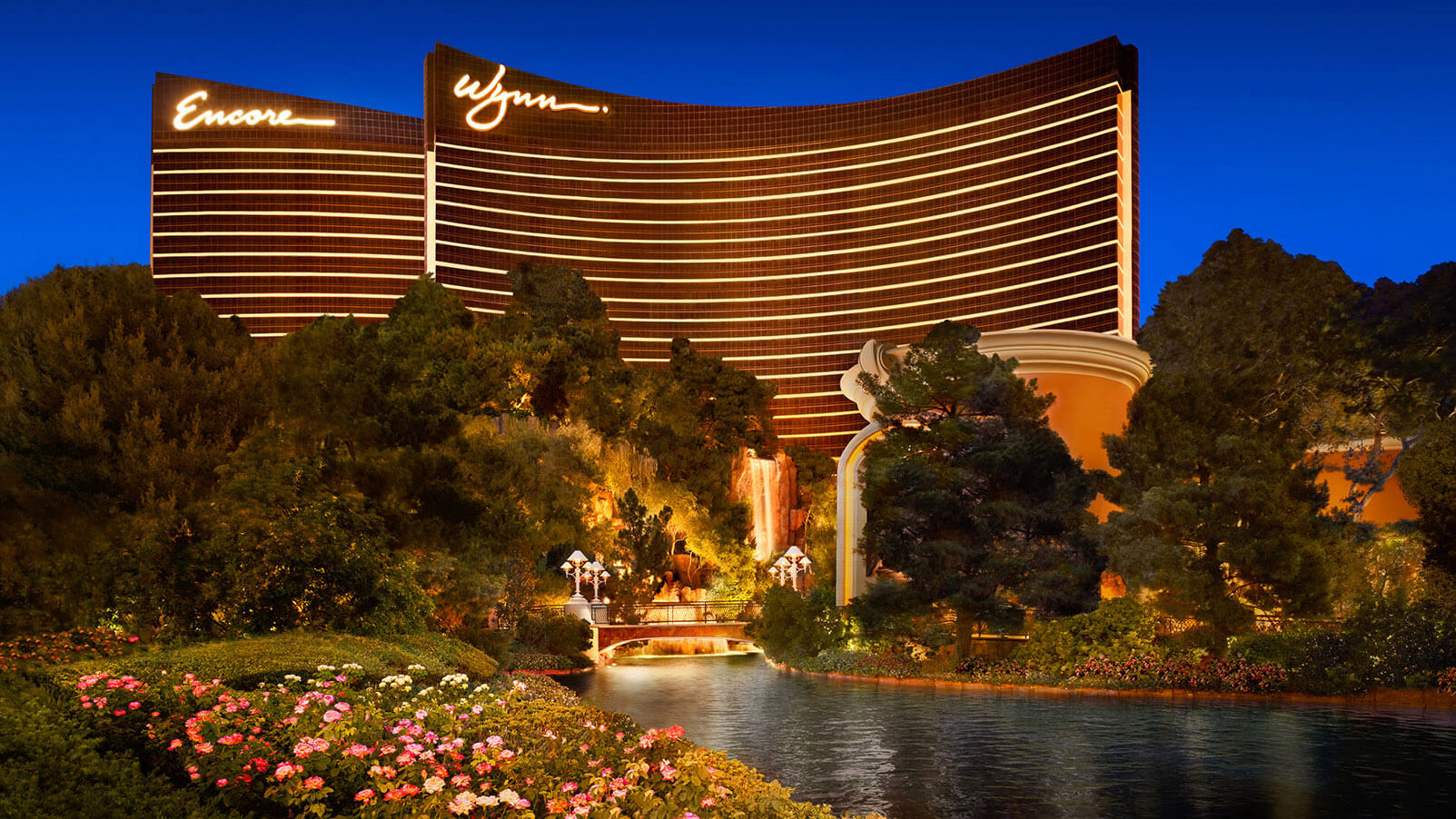
Key Coordination Priorities for Wynn Las Vegas Events
Positioning Within the Las Vegas Strip North Cluster
Wynn Las Vegas functions as a key node in the Strip North cluster, situated to capture attendees who value proximity to both the Las Vegas Convention Center and other northern resort properties. This positioning allows event planners to develop strategies that leverage cross-venue synergies while capitalizing on the area's lower density compared to central Strip locations. Coordination efforts benefit from recognizing how this district supports extended-stay corporate programs that combine formal sessions with networking in refined surroundings.
Unlike the high-volume exposition halls of the Convention Center District, the Wynn environment emphasizes curated experiences where exhibit spaces must complement rather than compete with the architectural elegance of the property. Successful planning accounts for these distinctions by prioritizing designs that enhance the overall ambiance instead of dominating it. This approach helps exhibitors create meaningful connections with audiences who expect elevated production values.
Market data from Las Vegas event listings consistently shows that northern Strip venues like Wynn attract sectors focused on finance, technology, and luxury goods. Understanding these demand drivers informs every stage of coordination, from initial concept briefings to final performance reviews, ensuring alignment with the types of decision-makers who frequent these events.
Developing a Venue-Aligned Exhibit Strategy
Creating an effective presence at Wynn Las Vegas requires strategies that respect the property's emphasis on sophistication and guest experience. Coordination begins with mapping how exhibit elements will interact with surrounding spaces, ensuring visibility without disrupting the resort's carefully managed environment. This planning phase incorporates considerations for how attendees transition between sessions, dining outlets, and exhibition areas within the same campus.
Resource allocation decisions should reflect the expectation of quality that defines Wynn events. This includes selecting materials and technologies that convey innovation while maintaining visual harmony with the venue's design language. Early coordination of these elements prevents last-minute adjustments and supports a polished final presentation that resonates with the audience.
The planning process also involves sequencing activities to match typical event rhythms at resort-based venues. By establishing clear milestones for design approval, material sourcing, and installation preparation, coordinators can maintain momentum while building in buffers for the unique variables that arise when operating within an active hotel and casino property.
Logistics Coordination for Strip Resort Events
Events at Wynn Las Vegas operate within the complex ecosystem of Las Vegas Strip logistics, where transportation, delivery windows, and labor sequencing follow patterns distinct from standalone convention centers. Effective planning incorporates these realities by developing detailed schedules that account for resort traffic patterns, designated loading access, and coordination with property security protocols. This preparation helps minimize disruptions and ensures smooth material movement.
The integration of hotel operations with event activities introduces additional variables that benefit from structured oversight. Coordinators who map these interdependencies early can better anticipate peak periods and adjust timelines accordingly. Such attention to operational detail distinguishes well-executed programs from those that encounter avoidable delays.
Connection to the larger Las Vegas market remains essential even for single-venue events at Wynn. Planning that considers potential extensions to nearby properties or alignment with citywide conventions maximizes the investment by expanding the potential audience and creating networking opportunities beyond the immediate exhibit floor.
Technology and Engagement Planning
Modern exhibitions at venues like Wynn Las Vegas increasingly rely on integrated technology to facilitate meaningful interactions. Coordination involves assessing connectivity requirements, power distribution, and audiovisual compatibility within the resort's infrastructure. This preparation ensures that digital components function reliably while complementing rather than competing with the elegant physical environment.
Engagement strategies should be calibrated to the expectations of audiences drawn to northern Strip events. These attendees often respond best to experiences that blend educational content with sophisticated presentation methods. Planning sessions that map content delivery against typical dwell times helps optimize both exhibit layout and staffing models for maximum impact.
Measurement frameworks tailored to resort campus events provide more nuanced insights than standard floor metrics. By establishing indicators that capture both quantitative traffic and qualitative interaction quality, planners gain actionable data for refining future participation at Wynn and similar venues.
Timeline Development and Milestone Management
Successful coordination for Wynn Las Vegas events depends on realistic timelines that build in adequate preparation buffers while maintaining momentum toward key dates. The planning calendar should begin with venue-specific considerations such as proposal requirements and progress review points, then layer in design iteration cycles, material procurement, and pre-event testing phases. This structured approach helps identify potential bottlenecks before they impact the critical path.
Milestone definitions for resort-based events differ somewhat from those used for large convention center programs. Emphasis falls on alignment with property operational reviews and integration points with other event elements happening across the campus. Regular checkpoint evaluations allow for course corrections while preserving the overall strategic objectives established during initial planning.
Documentation practices that capture decisions at each stage create valuable reference materials for both current and future events. When organized effectively, these records support knowledge transfer across teams and contribute to continuously improving coordination processes for subsequent Wynn Las Vegas or comparable Las Vegas Strip programs.
Differentiation and Brand Alignment
The upscale character of Wynn Las Vegas creates both opportunities and constraints for brand expression. Coordination that begins with a clear understanding of the venue's aesthetic standards allows exhibitors to develop concepts that enhance rather than clash with their surroundings. This alignment often results in higher perceived value and stronger memory retention among attendees accustomed to premium environments.
Comparative analysis with other Las Vegas venues reveals how Wynn events reward subtlety and experiential depth over sheer scale. Planning that highlights these distinctions helps allocate resources toward elements with the highest potential return within this specific context. The result is a more targeted and effective presence that stands out through refinement rather than volume.
Long-term strategic planning considers how participation at Wynn fits within an organization's broader Las Vegas market approach. Whether as a standalone event or part of a sequenced program that includes the Venetian Expo or Las Vegas Convention Center, coordinated efforts create cumulative impact that exceeds what any single appearance could achieve.
Performance Evaluation and Continuous Improvement
Post-event analysis for Wynn Las Vegas programs should employ metrics that reflect the unique aspects of resort campus events. Beyond basic lead counts, evaluation frameworks that assess engagement quality, brand sentiment, and follow-up conversion rates provide a more complete picture of effectiveness. These insights inform adjustments for future participation while building institutional knowledge about what resonates in this specific market segment.
The self-contained nature of Wynn events offers advantages for observation and data collection that may be less feasible at larger dispersed venues. Planning that incorporates dedicated observation protocols and feedback collection methods during the event itself yields richer information for analysis. When combined with broader Las Vegas market trends, these findings support increasingly sophisticated coordination strategies over time.
Documentation of both successes and challenges creates a reference library that benefits subsequent planning cycles. Organizations that treat each Wynn Las Vegas event as part of an evolving program rather than isolated occurrences typically see compounding returns on their exhibition investments across the Las Vegas market.
Frequently Asked Questions About Wynn Las Vegas Event Planning
Q: How does planning for events at Wynn Las Vegas differ from the Las Vegas Convention Center?
Wynn Las Vegas events emphasize refined experiences within an integrated resort campus in the Strip North cluster, requiring coordination that aligns with luxury aesthetics and hotel operations. In contrast, the Convention Center supports larger scale, higher volume programs with different logistical rhythms and attendee flow patterns. Understanding these distinctions allows for more targeted preparation and resource allocation.
Q: What should be prioritized when coordinating an exhibit for a Wynn Las Vegas event?
Priority should be given to aesthetic alignment with the venue's sophisticated environment, clear mapping of attendee movement patterns, and realistic timeline development that accounts for resort-specific operational requirements. Early focus on these elements supports smoother coordination and more effective brand positioning within the northern Strip district.
Q: How does the Strip North cluster influence event strategy at Wynn Las Vegas?
The Strip North cluster, which includes Wynn Las Vegas along with properties like Fontainebleau and Virgin Hotels, offers a less dense environment than central or south Strip locations. This supports events that benefit from extended attendee dwell times and integration with resort amenities. Planning should leverage these characteristics while considering connections to the broader Las Vegas convention calendar.
Q: When should coordination planning begin for a Wynn Las Vegas trade show?
Coordination planning should commence at least six to nine months in advance to allow sufficient time for strategy development, design iteration, and alignment with property requirements. Earlier preparation becomes particularly important for events that coincide with major Las Vegas market dates or require integration with other venues.
Q: What metrics best evaluate success for exhibitions at Wynn Las Vegas?
Effective evaluation combines quantitative measures such as qualified lead volume with qualitative assessments of engagement depth and brand perception. Given the premium audience at Wynn events, tracking follow-up conversion rates and sentiment indicators often provides more meaningful insights than traffic counts alone.
Q: How can exhibitors connect Wynn Las Vegas events to the wider Las Vegas market?
Strategic coordination looks for natural connections to the Convention Center District, Venetian Expo, or other Strip clusters to create extended programs. This approach maximizes investment by expanding audience reach while maintaining the distinct positioning that makes Wynn events valuable for certain industry segments.